

Teaching kids about saving money isn’t just a lesson in finance; it’s a superpower in disguise. Imagine your child confidently managing their allowance like a mini Warren Buffett, while other kids are busy trading snacks for shiny stickers. Instilling good saving habits early can set them up for a lifetime of financial savvy—and who doesn’t want their kid to be the one with a healthy bank account instead of a piggy bank full of loose change?
Understanding The Importance Of Saving Money For Kids
Teaching children about saving money serves as a foundation for financial literacy. Personal finance skills result in better decision-making in adulthood. Early lessons in saving encourage kids to plan for future expenses. Studies show children exposed to saving concepts tend to accumulate wealth more effectively than their peers.
Savings habits learned during childhood often persist into adulthood. They develop a sense of responsibility towards financial management. By understanding the value of money, kids become mindful of their spending habits. Parents can create a savings plan, setting clear goals for different projects or purchases.
Creating opportunities for earning money enhances learning. Allowing children to do chores for allowances teaches them the correlation between work and earnings. They can start small by setting savings goals, like purchasing a toy or game. Engaging children in discussions about budgets and the benefits of saving instills lifelong skills.
Recognizing the importance of delayed gratification plays a crucial role. Children who learn to save may become more patient and disciplined with their finances. Encouragement in saving leads to an increased likelihood of achieving larger financial goals, such as funding higher education. Promoting a culture of savings creates self-motivated individuals who prioritize financial well-being.
Utilizing visual aids, like savings jars, can further motivate young savers. Children often find it easier to grasp concepts when they can see their progress visually. An understanding of saving money early on equips children to navigate financial challenges confidently.
Teaching Kids About Money
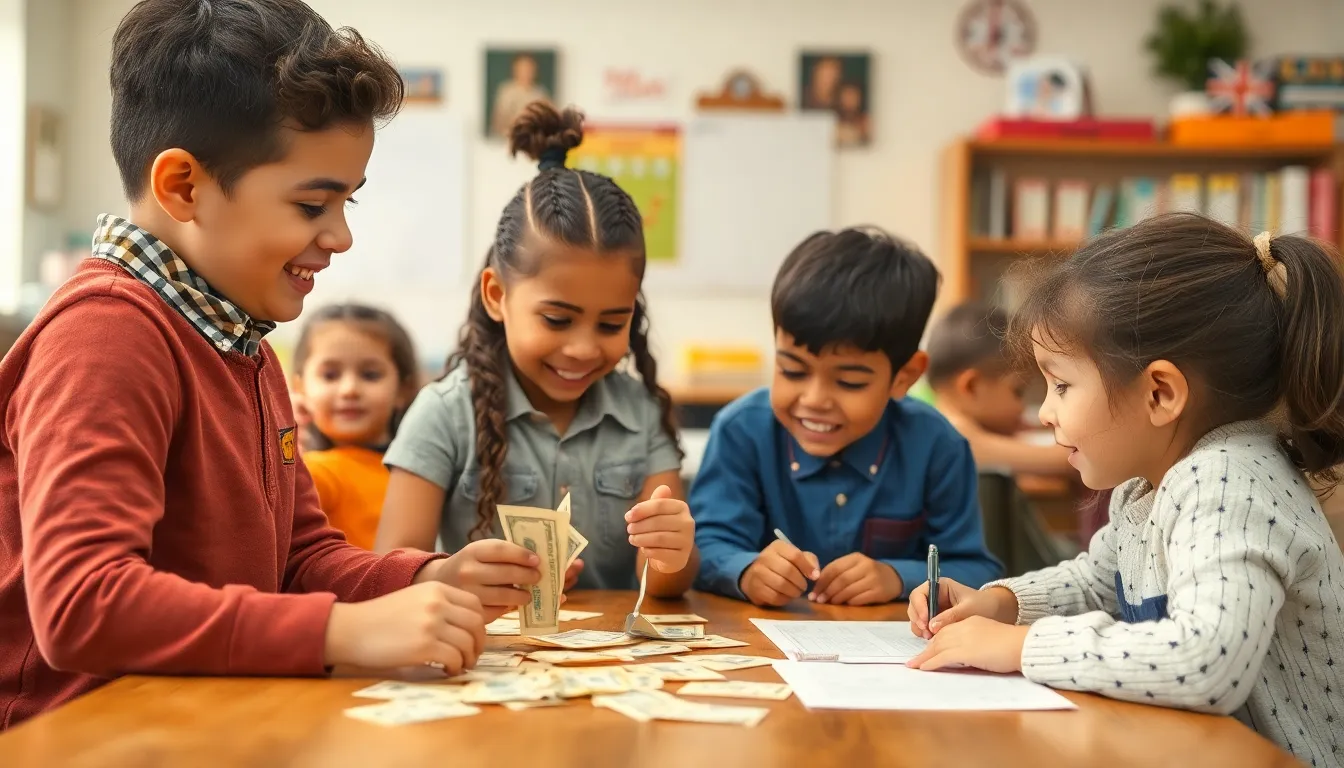
Teaching kids about money fosters essential financial skills for their futures. Early exposure to saving and budgeting cultivates positive money habits.
Age-Appropriate Financial Lessons
Introduce financial concepts gradually based on age. Younger children benefit from simple concepts like saving for a toy. Games that simulate spending and earning engage them effectively. As they grow, incorporate allowance discussions and the value of money. Pre-teens respond well to lessons on budgeting for small projects. Teens can start managing bank accounts, exploring interest rates, and understanding investments. Each stage of learning builds on the last, enhancing their financial literacy.
Encouraging Responsible Spending
Model responsible spending behavior to reinforce lessons. Discuss the difference between wants and needs consistently. Encourage children to prioritize their spending, promoting conscious decisions. Create a budget together for special events or purchases. Include tracking monthly expenses to visualize their spending patterns. Analyzing spending can help them make informed choices. Engage in conversations about the consequences of impulsive purchases to deepen their understanding. By recognizing the importance of thoughtful spending, children develop lifelong financial discipline.
Tools And Resources For Saving Money
Saving money for kids involves practical tools and engaging resources. These instruments not only aid in developing saving habits but also make the process enjoyable.
Savings Accounts For Children
Savings accounts serve as excellent financial tools for children. Many banks offer child-friendly accounts with no fees or low minimum balances. These accounts teach kids about interest and compound growth, illustrating how money can grow over time. Parents often find that setting up automatic transfers helps kids save consistently. Learning to track their savings encourages responsibility and financial awareness. Furthermore, linking the account to a debit card can provide older children with real-world experience managing money.
Apps And Games That Promote Saving
Digital tools play a significant role in teaching kids about saving. Numerous apps, like Greenlight and GoHenry, allow children to manage their savings with parental oversight. These apps often include features such as budgeting, spending tracking, and goal-setting. Engaging games like “Savings Quest” can make the concept of saving more entertaining. Interactive experiences foster an understanding of money management while keeping children interested. Parents can also encourage participation in savings challenges, adding an element of fun to financial education.
Strategies For Saving Money With Kids
Engaging children in saving money can instill lasting financial habits. Effective strategies include setting clear saving goals and creating a collaborative budgeting experience.
Setting Savings Goals
Establishing savings goals helps children understand the purpose of saving. Specific targets, like a new toy or a fun outing, can motivate young savers. Discussing the time needed to reach those goals fosters patience. Parents can encourage kids to visually track their progress, reinforcing commitment. Regularly revisiting these goals ensures children stay focused and motivated, adapting as interests change. Teaching them about short-term and long-term goals cultivates critical thinking regarding financial aspirations.
Creating A Budget Together
Creating a budget together introduces kids to responsible financial management. Parents can break down expenses and savings ratios, allowing children to see where money goes. Engaging in hands-on budgeting activities, like planning a special event, reinforces practical skills. Encouragement for children to suggest their spending priorities can spark discussions about values. Tracking income from allowances or chores provides clarity on budgeting concepts. Conversations about adjusting the budget when unexpected expenses arise promote flexibility and adaptability. Frequent check-ins on budgeting progress can strengthen this learning experience, making it a regular part of financial education.
Teaching kids about saving money is an essential investment in their future. By fostering good saving habits early on, parents can empower their children to make informed financial decisions throughout their lives. Engaging them in discussions about budgeting and setting clear savings goals not only instills responsibility but also enhances their understanding of money management.
Utilizing practical tools and resources can make the learning process enjoyable and effective. Whether through savings jars or digital apps, children can visualize their progress and develop a sense of achievement. Ultimately, instilling these values and skills prepares kids to navigate financial challenges with confidence and discipline, setting them on a path toward long-term financial success.


