
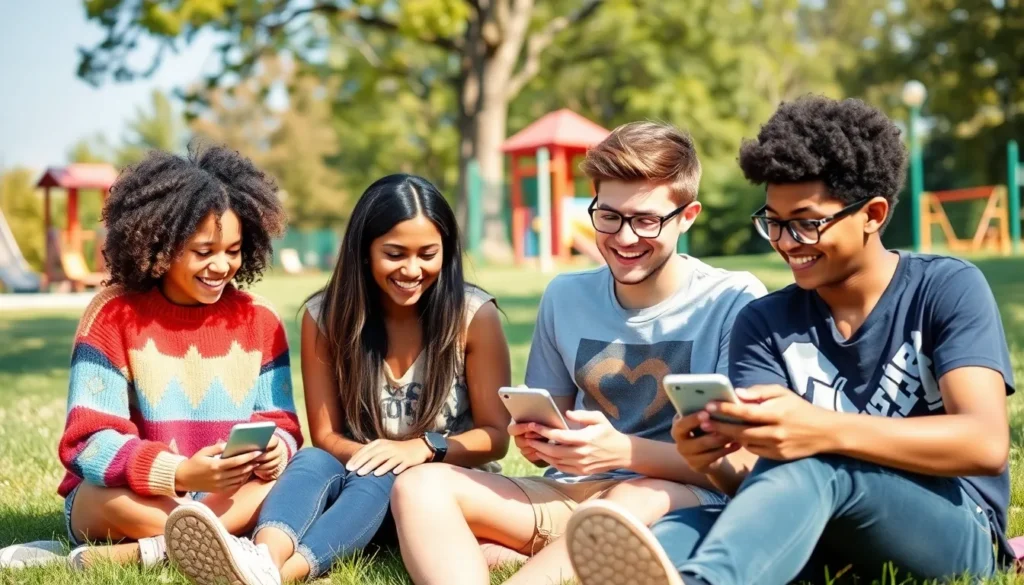
Teenage social media isn’t just a passing trend; it’s a digital playground where friendships blossom, drama unfolds, and memes reign supreme. As teens navigate this vibrant online world, they’re not just sharing selfies and TikTok dances—they’re crafting their identities and connecting with peers in ways previous generations could only dream of.
Overview Of Teenage Social Media
Teenagers navigate a vibrant landscape of social media platforms. These spaces enable them to communicate and share experiences in real time. Facebook, Instagram, TikTok, and Snapchat dominate their online interactions. Each platform serves distinct functions, influencing how teens present themselves and engage with peers.
Influence from social media on teenage identity development remains profound. Sharing selfies, videos, and creative content allows for self-expression and exploration of personal interests. This dynamic environment offers opportunities for connection beyond geographical boundaries. Friendships formed online often complement offline relationships.
Engagement with trending topics and popular culture is prevalent. Memes and viral challenges facilitate social bonding and foster a sense of belonging. Notably, trends can spread rapidly across platforms, shaping collective experiences among teenagers.
Data indicates that around 95 percent of teens access social media regularly. The majority spends around 3 hours a day on these platforms. High levels of usage correlate with significant social interaction, learning opportunities, and emotional support. Research highlights that social media can enhance teenagers’ social skills while also revealing the potential for negative effects.
Parental guidance plays a vital role in navigating these online spaces. By encouraging discussions about privacy and online etiquette, parents can help teenagers make informed choices. Awareness of the benefits and risks associated with social media fosters healthier usage habits. Emphasizing balance contributes to a more positive experience in the digital realm.
Popular Platforms Among Teens

Teens engage with various social media platforms, each offering unique features that shape interactions and self-expression.
Though originally popular with teens, Facebook’s usage has declined among younger audiences. Many view it as a platform for connecting with family rather than friends. Privacy concerns also influence this perspective, leading teens to explore alternatives for sharing content. The platform still hosts groups and events that can enhance social gatherings, especially for coordinating group activities. Some teens utilize Messenger for private conversations, keeping in touch with friends.
Instagram remains a favorite due to its visual-centric design, allowing teens to showcase their lives through photos and videos. Stories and Reels enable instant sharing of everyday moments and creative content. Engagement through likes, comments, and shares fosters connections, while curated feeds reflect interests. The use of hashtags and trends plays a key role in helping teens discover new content and communities. Additionally, Instagram’s influencer culture often shapes fashion and lifestyle choices among this demographic.
TikTok
With rapid growth, TikTok captivates teens through short, entertaining videos. Creativity thrives as users participate in trends, challenges, and lip-syncs. Its algorithm promotes personalized content, making it easy for teens to find engaging material tailored to their preferences. Many teens find humor and inspiration on this platform, fostering a sense of community through shared interests. TikTok’s emphasis on music and performance aligns well with youthful expression and creativity, appealing particularly to those seeking a platform for artistic endeavors.
Impact On Teenage Mental Health
Social media profoundly affects the mental health of teenagers, presenting both advantages and challenges in their development. Understanding these impacts is crucial for promoting healthy engagement.
Positive Effects
Social media promotes self-expression among teenagers. They often share creative content that boosts self-confidence and fosters a sense of identity. Platforms also provide opportunities for social interaction that strengthen friendships. Emotional support from online communities can help teens navigate challenges. For instance, participation in groups centered around shared interests encourages feelings of belonging. Increased exposure to diverse perspectives fosters empathy and reduces feelings of isolation. Data shows that around 75 percent of teens report feeling more connected to friends through social media, underlining its role in enhancing social ties.
Negative Effects
In contrast, social media usage can negatively impact mental health. Frequent comparisons to peers often lead to feelings of inadequacy and low self-esteem. Studies reveal that 40 percent of teens experience anxiety due to online interactions, highlighting the stress involved. Cyberbullying remains a significant concern, with 15 percent of adolescents reporting such experiences, which can result in severe emotional distress. Additionally, excessive screen time can disrupt sleep patterns, contributing to increased irritability and diminished focus. Such negative effects emphasize the need for parental guidance to help teens navigate these platforms responsibly and maintain mental well-being.
Social Interaction And Communication
Teenagers experience vibrant social interactions and communication online, forming connections through shared interests and group dynamics.
Online Communities
Online communities provide teens with spaces to connect based on hobbies, interests, and challenges. These platforms, like TikTok and Instagram, facilitate creativity and collaboration among users. Teens often find themselves joining groups that resonate with their passions, creating a sense of belonging. About 75 percent of teens feel more understood when participating in these online groups. Such interactions enhance social skills, as teens learn to navigate diverse perspectives and develop empathy for others. These communities offer emotional support, allowing teens to share experiences and feel less isolated.
Cyberbullying
Cyberbullying presents a significant concern within teenage social media interactions. Approximately 59 percent of teens have encountered bullying online. Challenges arise as they navigate hurtful comments, exclusion, and harmful messages that can affect their mental health. Vulnerability often increases, making affected teens feel alone and anxious. Many experience heightened stress levels, leading to withdrawal from online engagement. Addressing cyberbullying requires proactive measures, such as promoting awareness among peers. Parents, too, play a crucial role in supporting their teens, encouraging open conversations about harmful interactions and developing strategies to cope.
Trends And Usage Statistics
Approximately 95 percent of teenagers access social media, indicating a norm in their daily routines. On average, they spend around 3 hours per day on various platforms, suggesting significant engagement. The primary functions of these platforms, including Facebook, Instagram, TikTok, and Snapchat, differ in how they connect and influence teen behavior.
Facebook usage continues to decline among younger users. Teens now perceive it more as a tool for family interaction than as a space for friendship. Contrastingly, Instagram retains popularity due to its visual-centered approach, allowing users to present their lives and engage in current trends. TikTok’s explosive growth highlights its appeal, with short, entertaining videos attracting teens and fostering communal creativity.
Social media affects teenage mental health noticeably. Around 75 percent report feeling more connected to friends through these platforms. Emotional support from online communities enhances their sense of belonging and empathy. Despite these benefits, challenges also arise. Many experience feelings of inadequacy due to peer comparisons and anxiety from online interactions. Cyberbullying remains a pressing issue; nearly 59 percent of teens report encountering it online, which contributes to increased vulnerability.
Screen time poses additional challenges. It can disrupt sleep patterns, leading to irritability and reduced focus during the day. Connections online often supplement offline friendships, enhancing social skills and empathy. Engagement with shared interests and group dynamics fosters creativity, allowing teens to collaborate in meaningful ways. Proactive measures from parents play a vital role in supporting teens as they navigate these complex online landscapes.
Teenage social media use is a double-edged sword that shapes identities and fosters connections while also presenting challenges. As teens engage with various platforms they explore their interests and build friendships that enhance their social lives. However it’s essential to remain vigilant about the potential pitfalls including cyberbullying and mental health issues.
Parental involvement plays a critical role in guiding teens through this complex digital landscape. By fostering open discussions about online behavior and encouraging healthy habits teens can enjoy the benefits of social media while minimizing its risks. Ultimately the goal is to create a balanced approach that empowers teens to thrive in both their online and offline worlds.


